
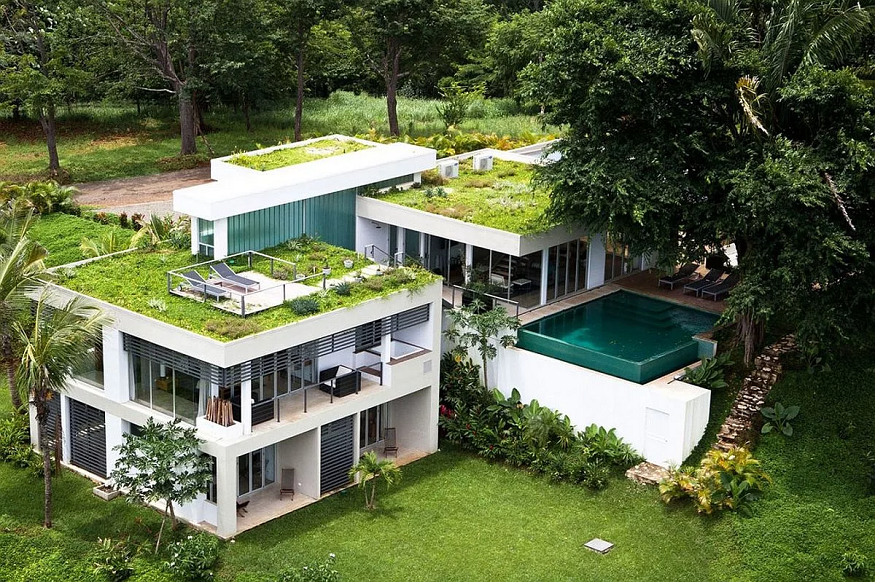
Green building is changing the way architects, developers, and property owners think about construction. Instead of focusing only on how a building looks or how quickly it can be completed, sustainable architecture takes a much broader view. In the opinion of Joe Cianciotto, it considers how a property affects people, natural resources, energy consumption, and the surrounding environment throughout its entire life. The goal is to create spaces that remain comfortable and practical for occupants without placing unnecessary pressure on the environment.
Joe Cianciotto highlights some of the key features of green buildings
The growing importance of green buildings is closely connected to the environmental impact of the real estate and construction sectors. Conventional buildings often consume large amounts of electricity, water, fuel, and raw materials. They also contribute significantly to greenhouse gas emissions. As cities expand and demand for housing, offices, retail spaces, and industrial facilities increases, reducing the environmental footprint of buildings has become an important part of addressing climate change.
Read More: Smart Design Approaches for Creating a More Functional Small Kitchen
A well-designed green building is highly attractive to buyers, tenants, and investors who value sustainability and responsible business practices. Here are some of the major features of green buildings:
- Strategic site selection: Sustainability begins with choosing the right location. Developers can reduce environmental impact by selecting sites that already have access to essential infrastructure, utilities, roads, and public transportation. Buildings located close to transit networks can reduce dependence on private vehicles and help lower transportation-related emissions. Well-connected developments can also support walking and cycling, encouraging more active lifestyles. At the same time, building within established urban areas can help limit unnecessary expansion into undeveloped land and reduce the spread of urban sprawl.
- Efficient water management: Green buildings use a combination of efficient fixtures, collection systems, landscaping strategies, and monitoring technologies to reduce unnecessary water consumption. Low-flow taps, showers, and toilets can significantly reduce water use without compromising everyday convenience. Rainwater harvesting systems can collect and store rainfall for suitable non-potable applications, while smart irrigation systems can deliver water based on actual landscape requirements.
- Responsible material selection: The materials used during construction play an important role in determining a building’s environmental footprint. Sustainable projects often prioritize materials that are durable, responsibly sourced, recycled, or reclaimed. Material selection also considers durability. A product that lasts longer can reduce the need for frequent repairs or replacement, lowering resource consumption over the building’s lifetime.
- Reducing carbon and energy consumption: Energy efficiency is one of the most important aspects of green building. Sustainable properties aim to reduce their dependence on fossil fuels by combining efficient equipment with cleaner sources of energy. Solar panels and other renewable energy systems can help generate electricity on-site, while energy-efficient appliances, lighting systems, heating and cooling equipment can reduce overall consumption.
In the opinion of Joe Cianciotto, green building represents a shift from short-term construction thinking toward long-term environmental and economic responsibility. It brings together efficient site selection, responsible materials, renewable energy, water conservation, and occupant well-being. As sustainability becomes increasingly important to communities, businesses, investors, and governments, green buildings are positioned to play a larger role in shaping the cities of the future.